27 November 2025
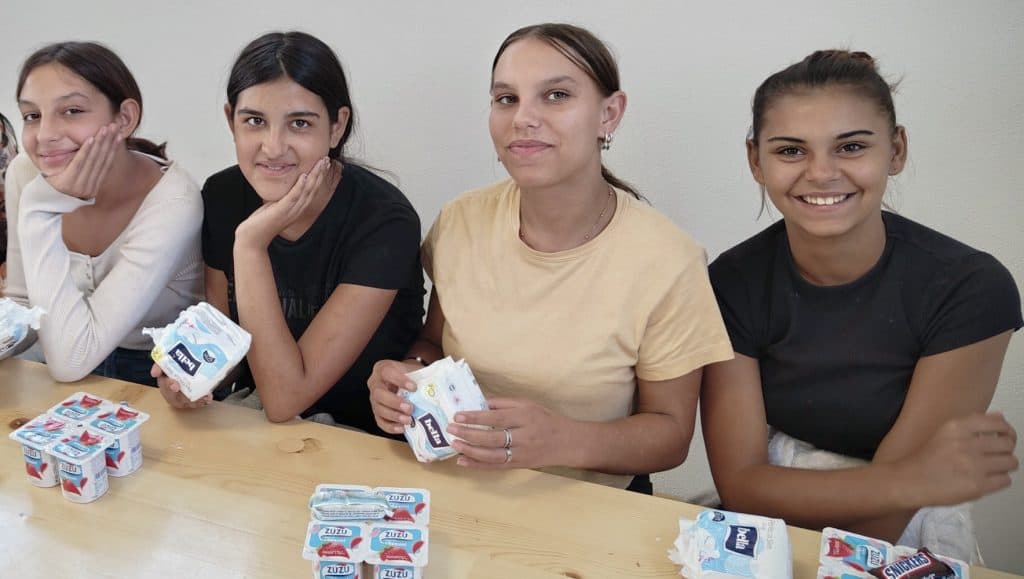
Restoring dignity for Romani women and girls
The Romani people, also known as the Roma or the Romani, are an Indo-Aryan ethnic group who traditionally lived a...


Posted on: Jun 10, 2025
Read time: 2 min


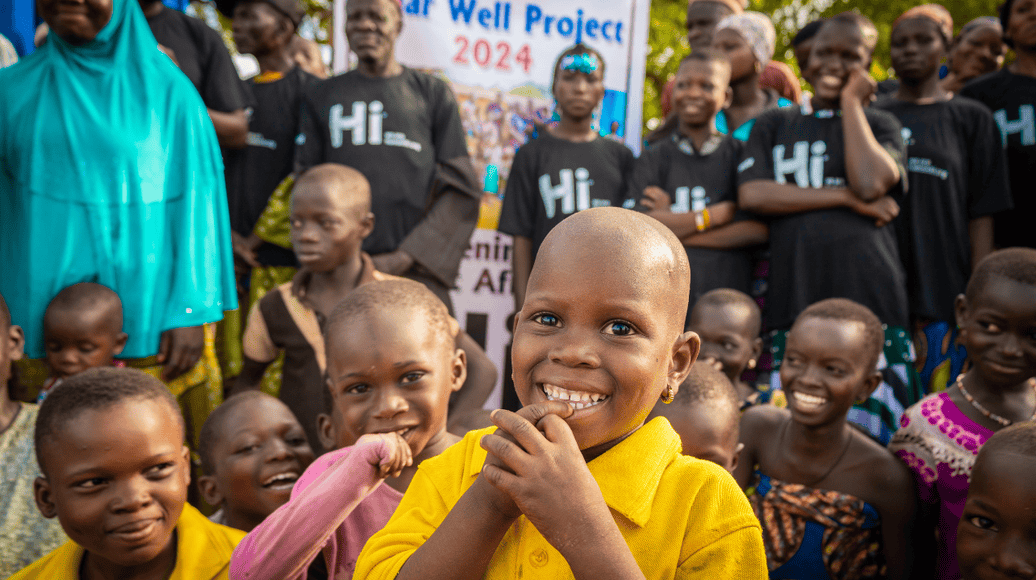
Water is a pure source that is given to us to quench our thirst and replenish life in this world. However, something that is supposed to be pure and healing can be unsafe and dangerous. Contaminated water is beyond risky to consume, yet thousands of individuals are forced to take that risk to survive.
In the city of Benin, Nigeria, where the weather reaches as high as 45 degrees Celsius, thirst is a common occurrence. In the scorching heat and humidity, where there is no doubt that your throat would be dry and desperate for a drink, access to water is almost nonexistent. Instead of opening a fridge and grabbing a bottle of water or turning on a tap to fill a glass, the only way to quench that thirst is to walk. For a drink of water, you would have to walk miles and miles, on perhaps uneven terrain, under the sun, or in the night where dangers can lurk — all for water that might end up killing you.
This is a reality for thousands in Benin. Approximately 70% of the rural population resort to unsafe water sources. It kills 20% of children under the age of five each year. Families walk countless miles to retrieve water that could likely make them sick. But they have no choice. They either succumb to thirst or have a chance to replenish themselves, even if that might be fatal. Often these treks pose further threats to those who are tasked with fetching water. Most of the time, this task befalls women and young girls. The time spent fetching this water could be spent empowering, learning, and building a future for themselves. The burden is heavy—not just physically but emotionally, as families grapple with the reality that every sip could bring illness.
So we brought the water to them. Humaniti launched a project, building six solar-powered water wells in rural villages. What’s special about these wells is that they use solar energy to operate, ensuring that their lifetime is long and stable, especially in areas where electricity is not readily available. It is estimated that these wells will provide clean and safe drinking water for over 5,000 people across six villages for decades to come. Humaniti is not only providing clean water but restoring dignity, safety, and opportunity to the people of Benin.
The process of building these wells was a community effort. Humaniti worked closely with local partners, engineers, and labourers to ensure that the wells were placed in high-need areas where they would have the greatest impact. The wells were designed to be low-maintenance and efficient, reducing the risk of breakdowns and ensuring that families can rely on them for years to come.
As water reaches the hands of thousands, the days of walking dangerous journeys to get water that could kill, are gone. Instead fresh, healthy water can begin to reach those who need it most, who have struggled and persevered despite their struggles.
27 November 2025
The Romani people, also known as the Roma or the Romani, are an Indo-Aryan ethnic group who traditionally lived a...
27 November 2025
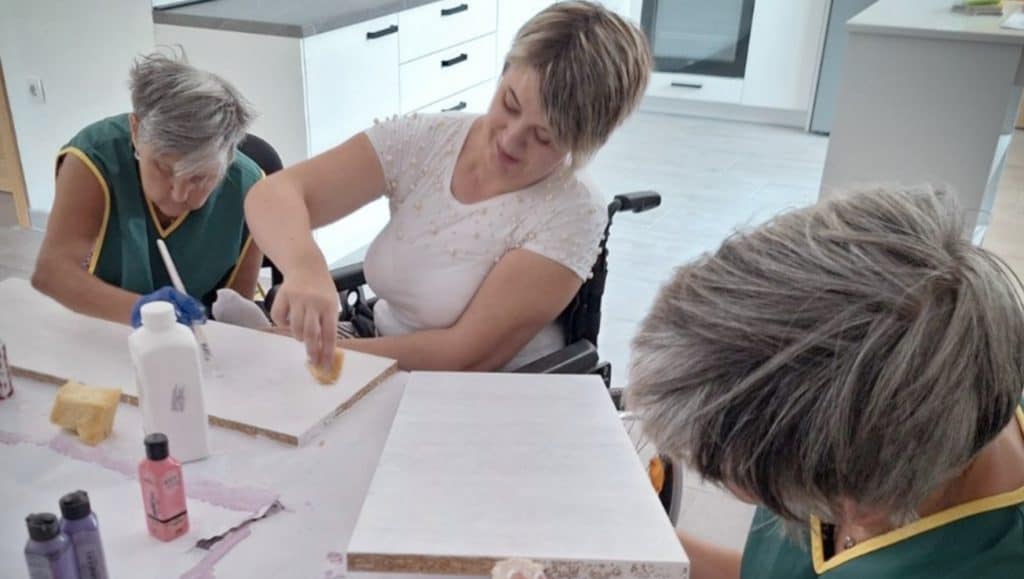
Elderly poverty in Bosnia and Herzegovina is a growing concern. A third of the population will be over the age...
27 November 2025
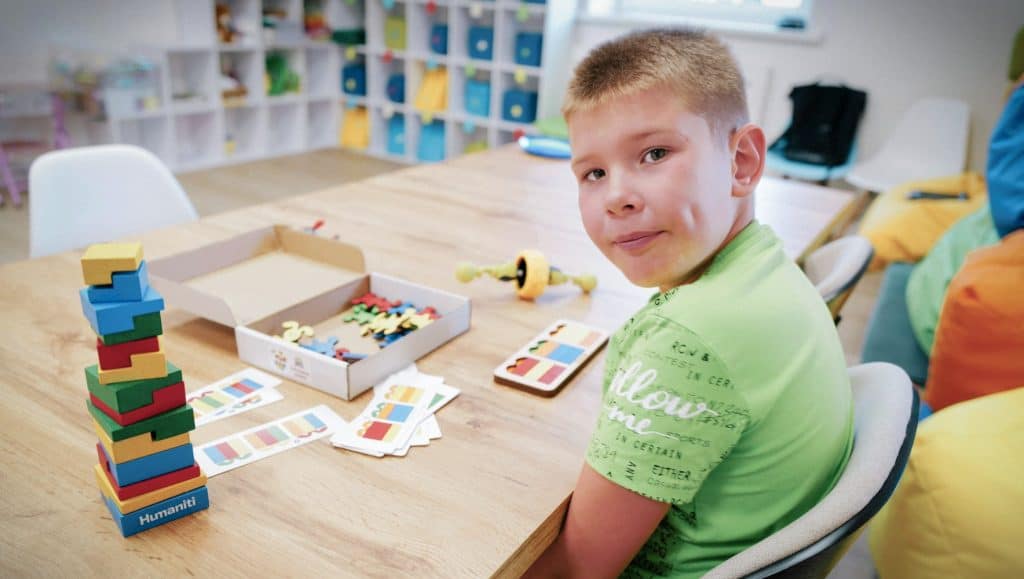
Children with disabilities are among the most vulnerable during times of war. They must endure constant challenges, displacement and emotional...
16 November 2025
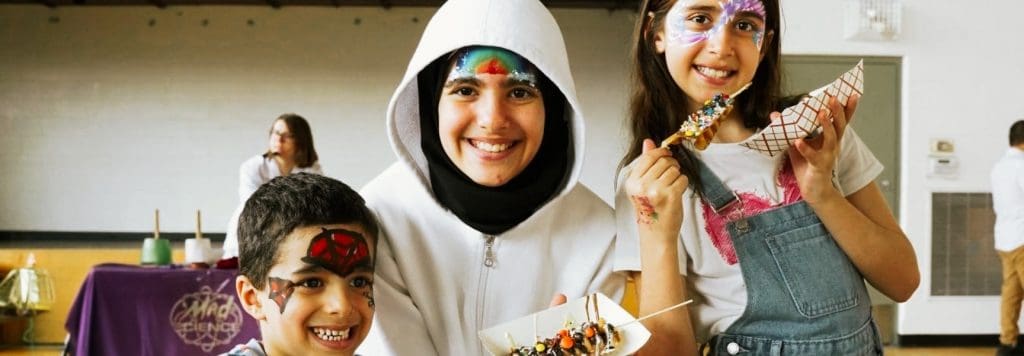
As families fleeing conflict and displacement face the challenges of starting anew, Humaniti and Smile Canada are stepping in to...
16 November 2025
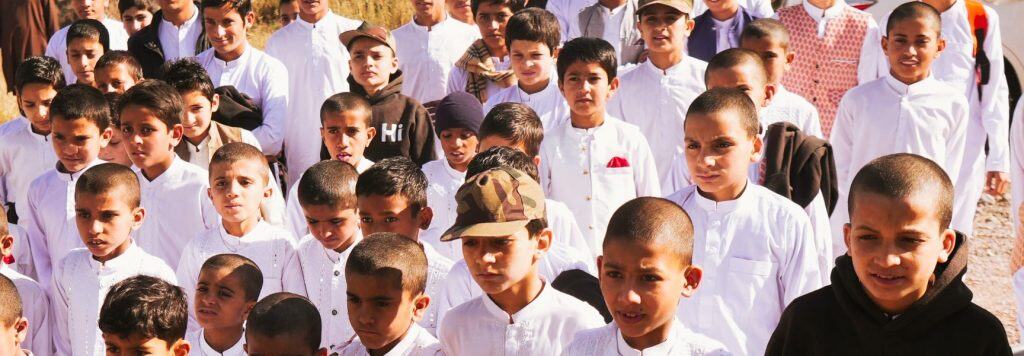
Amidst devastation, pain and hardships, children are left to navigate their harsh realities. Losing their homes, families, loved ones, and...

16 November 2025
In a refugee camp located in the North Western Region of Kenya, football has found its way into the lives...
"*" indicates required fields