27 November 2025
Restoring dignity for Romani women and girls
The Romani people, also known as the Roma or the Romani, are an Indo-Aryan ethnic group who traditionally lived a...


Posted on: Feb 18, 2025
Read time: 2 min


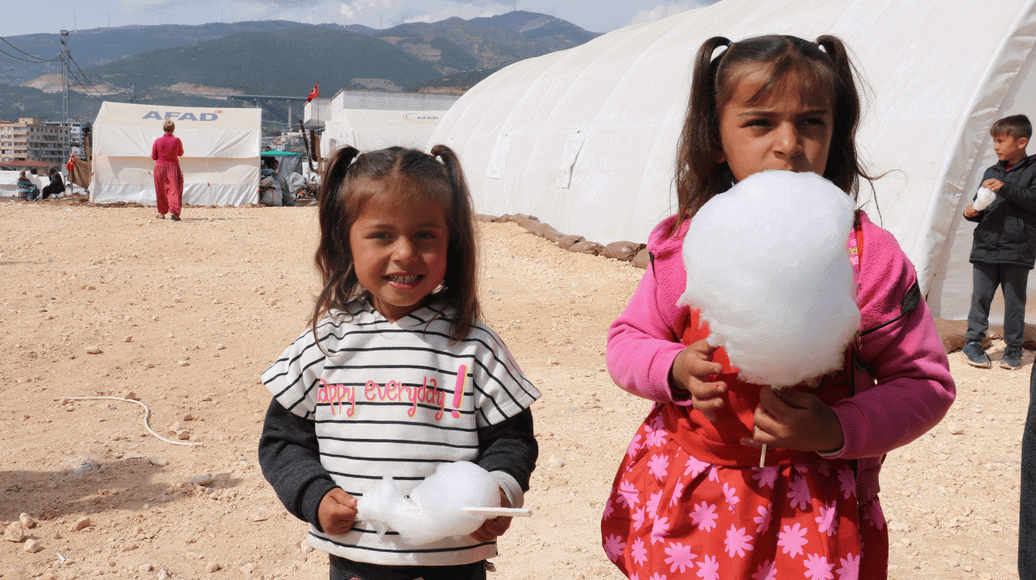
We often discuss the physical damages that occur during natural disasters; the destruction of infrastructures, economic harm, damaged properties, broken homes and damage costs. All of which are detrimental to understanding and knowing how to help. But what sometimes goes unnoticed is the mental effects such disasters can cause. While we can do our best to help rebuild the physical structures, we should also focus on rebuilding the mental capacity of all affected people.
On February 6th, 2023, an earthquake devastated the areas of Southern Turkiye and Northern Syria. It measured 7.8 on the Richter scale, classifying it as a major earthquake with serious damages. 10,600 buildings were destroyed or faced major damages in Northwest Syria while 230,000 buildings across Turkiye. Over 55,000 people were killed by the earthquake.
The physical damage was immense. The emotional trauma is staggering. For the people of Syria, who have faced oppression and war for decades, to be surrounded once more by rubble and destruction can be emotionally scarring given the history of struggle they have experienced.
Amidst the destruction, trauma can resurface in various forms, affecting a person to staggering degrees. Grief from losing one’s home, their surroundings becoming unrecognizable in the rubble and the anxiety of not knowing what the future holds for them, are all emotions that weigh heavily on the mind of a survivor. Survivors often experience symptoms of post-traumatic stress disorder, depression, and anxiety, all of which can make the recovery process even more difficult than it already is.
Humaniti identified a major gap in the provision of mental health care services in these areas. Not only were communities left to face the destruction wrought by the earthquakes but they also faced the emotional strain of their situation. Mental health services seemed scarce in these areas, with nowhere and no one to turn to. Thus, a project was launched to provide a safe, comforting space for these survivors. Through this initiative, qualified professionals were able to provide psychotherapy, counseling and overall support to those who had been affected. 3,000 individuals were able to receive psychotherapy services. The services focused on easing the mind from trauma and confronting anxieties revolving around the disasters that took place.
By providing these support services to these individuals, these negative experiences and emotions can be soothed. Creating a space where they can process their traumas, regain control of their situation and rebuild their lives reinforces the initiative to restore hope and emotional well-being.

27 November 2025
The Romani people, also known as the Roma or the Romani, are an Indo-Aryan ethnic group who traditionally lived a...
27 November 2025
Elderly poverty in Bosnia and Herzegovina is a growing concern. A third of the population will be over the age...
27 November 2025
Children with disabilities are among the most vulnerable during times of war. They must endure constant challenges, displacement and emotional...

16 November 2025
As families fleeing conflict and displacement face the challenges of starting anew, Humaniti and Smile Canada are stepping in to...
16 November 2025
Amidst devastation, pain and hardships, children are left to navigate their harsh realities. Losing their homes, families, loved ones, and...

16 November 2025
In a refugee camp located in the North Western Region of Kenya, football has found its way into the lives...
"*" indicates required fields